Expert Wildlife Removal Solutions: When to Reach Out to the Specialists
Wildlife infestations can pose significant risks to both property and health. Detecting evidence of animal intrusion is critical for residents. Disregarding these signals may bring about costly harm and possible health hazards. Recognizing the right time to reach out to professional specialists can prove vital. Yet, many homeowners are unclear regarding the exact signals demanding specialist help. Being aware of these factors can help assure a rapid and competent response. Which situations most commonly necessitate specialist services?
Spotting Signs of Wildlife Infestation
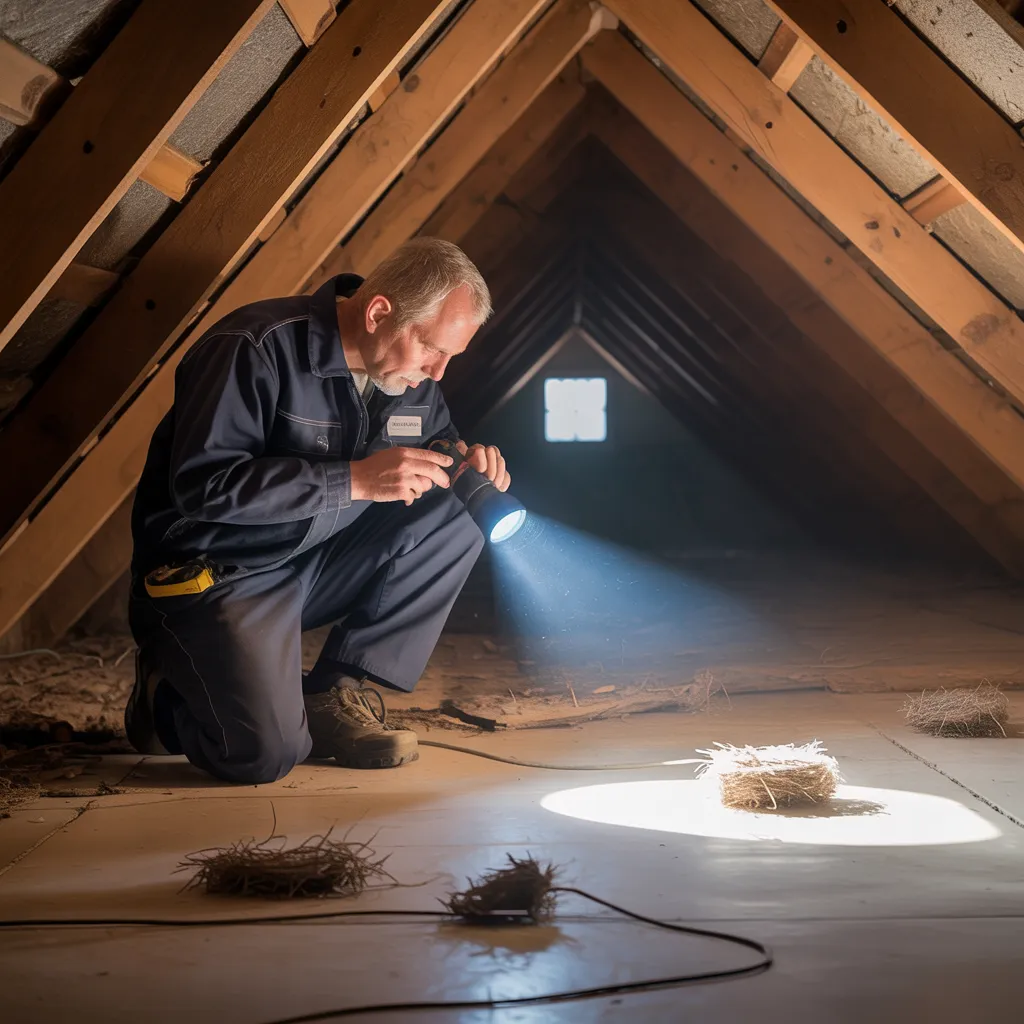
How does one determine if wildlife has invaded their property? Evidence of wildlife presence can be understated yet meaningful. The existence of waste, scratch marks, or gnawed wiring commonly points to animals establishing occupancy. Unusual sounds, such as scratching or scurrying, especially at night, may suggest that critters are active within walls or attics. Furthermore, residents may observe shelters or tunnels close to access areas, functioning as obvious signs of animal occupation. Unexplained damage to property, like torn insulation or holes in walls, further supports the suspicion of an infestation. Offensive stenches, arising from rotting wildlife or refuse, generate an uncomfortable setting and represent yet another caution indicator. Detecting these signals immediately is important for resolving the matter appropriately. By recognizing these signs, residents can take appropriate action to protect their homes from unwanted wildlife intrusions.
Grasping the Risks of Neglecting Wildlife Concerns
Ignoring wildlife issues can cause major consequences for homeowners. The presence of animals including raccoons, squirrels, or bats on a property can lead to structural damage, as these creatures often damage wiring, insulation, and wood. This not only weakens the integrity of the home but also creates potential fire hazards. Moreover, wildlife can transmit diseases that can be passed to humans and pets, elevating health risks dramatically.
Moreover, the longer an infestation is left unaddressed, the more hard and costly it becomes to resolve. Homeowners may eventually facing pricey repairs, property devaluation, and greater pest control measures. Beyond economic impacts, there is also the emotional impact of living with the persistent stress of a wildlife concern. As a result, detecting and handling wildlife issues promptly is crucial to preserving a safe and healthy living environment.
Perks of Expert Wildlife Removal Assistance
Expert wildlife removal services provide numerous important benefits for property owners experiencing wildlife issues. These specialists leverage specialized knowledge and methods to provide safe and humane practices while managing animal intrusions. In addition, they implement lasting prevention strategies that assist in prevent future wildlife issues.
Expert Knowledge And Techniques
Successful wildlife removal depends on a comprehensive understanding of animal behavior and local ecosystems. Professional wildlife removal experts are equipped with in-depth knowledge about the species they encounter, including their habits, nesting patterns, and seasonal behaviors. This expertise permits them to identify potential entry points and assess the extent of infestations more accurately than the average individual. Moreover, these professionals utilize advanced techniques and tools designed specifically for safe and effective removal, providing minimal disruption to the environment. Their familiarity with local laws and regulations also assures compliance, reducing the risk of legal issues. Ultimately, the combination of expert knowledge and specialized techniques greatly enhances the efficiency and success rate of wildlife removal efforts, protecting both properties and wildlife.
Safe And Humane Practices
Many homeowners might not understand the considerable benefits of utilizing safe and humane practices in wildlife removal. Professional wildlife removal services prioritize the welfare of animals while successfully addressing infestations. These experts utilize methods that limit harm, ensuring that wildlife is captured and relocated rather than exterminated. Such practices not only adhere to local regulations but also promote a sense of ethical responsibility within the community. By selecting humane removal, homeowners aid in the conservation of local ecosystems and promote a balanced coexistence with wildlife. Moreover, humane practices often result in less stress for both the animals and the homeowners, resulting in a smoother resolution of wildlife issues. Finally, engaging professionals who use safe and humane methods enhances the overall removal experience.
Strategies for Long-Term Prevention
While tackling immediate wildlife concerns is critical, establishing long-term prevention strategies is essential for sustaining a pest-free environment. Professional wildlife removal services not only address current infestations but also employ techniques to stop future occurrences. These experts assess properties for vulnerabilities, such as gaps in roofing, cracks in foundations, and access points that may invite wildlife. They give counsel on habitat modification, such as removing food sources and nesting materials. Additionally, professionals can install barriers and traps that effectively keep wildlife from re-entering. By investing in these preventive measures, homeowners can considerably reduce the likelihood of recurring wildlife problems, guaranteeing a safer and more comfortable living space for both residents and their surroundings.
What You Should Expect throughout the Wildlife Removal Procedure
When a property owner finds unwanted wildlife in their property, understanding what to expect in the wildlife removal process can alleviate concerns and streamline the experience. Initially, a professional wildlife removal service will perform a thorough inspection of the property to determine the type of animal and the extent of the problem. They will assess entry points and signs of activity.
Next, the removal team will formulate a tailored plan, which may include humane trapping or exclusion techniques. Homeowners can expect clear communication related to the steps involved and any essential preparations.
After the wildlife is properly extracted, the professionals will typically give recommendations for safeguarding the property to avoid future infestations. This may include sealing entry points or removing attractants. The process generally concludes with a follow-up visit to ensure the area remains wildlife-free, giving peace of mind to the homeowner.
Guidelines for Selecting the Right Wildlife Removal Professionals
In what way can homeowners be certain they select the most qualified wildlife removal technicians? First, they should emphasize companies with adequate licensing and insurance, guaranteeing compliance with local regulations. Testimonials and testimonials from former clients can provide valuable insights into the company's reputation and effectiveness. In addition, homeowners should investigate the removal methods used; humane techniques are preferred and often necessitated by law.
Expertise is another important consideration; experts familiar with local wildlife are more likely to assess and address specific problems effectively. Homeowners should also ask about follow-up services to stop future pest problems, as a complete method is necessary. Finally, collecting multiple proposals facilitates evaluation of services and costs, permitting well-informed decisions. By following these guidelines, homeowners can assuredly select wildlife removal experts who are both competent and dependable.
Common Wildlife Problems for Homeowners
What frequent wildlife challenges do residents experience? Many encounter problems with raccoons, squirrels, and bats, which regularly pursue shelter in attics or basements. Raccoons are notorious for scavenging in garbage and causing structural damage while nesting. Squirrels, conversely, can gnaw through electrical wires, creating fire hazards and substantial restoration expenses. find the information In addition, bats can penetrate dwellings through tiny gaps, presenting health dangers due to threat of rabies spread and guano accumulation.
Another frequent issue involves rodents, such as mice and rats, which can enter properties in search of food and nesting sites. Their presence not only leads to unsanitary conditions but also elevates the risk of diseases. Finally, deer can result in considerable destruction of landscaping and gardens. Each of these wildlife-related challenges demands prompt attention to stop more issues and maintain a safe living environment.
Effective Protective Approaches For Preventing Wildlife Invasion
Preventing wildlife intrusion requires preventive measures that address vulnerabilities throughout a home. Homeowners should begin by assess their property for likely entry points, such as gaps in the foundation, chimneys, or vents. Sealing these openings with suitable materials can substantially reduce the risk of animals entering.
Furthermore, maintaining a clean yard by clearing away food sources is crucial. This includes securing trash cans, compost bins, and pet food. Overgrown vegetation and debris should also be eliminated, as they can supply shelter for wildlife.
Installing fences can deter larger animals, while using mesh or screens can protect gardens from smaller pests. Property owners should also think about implementing motion-activated lights or sound-producing devices to deter unwanted visitors. Routine inspections and property maintenance will help ensure that these preventative measures stay effective over time, ultimately protecting the home from wildlife intrusion.
Common Questions
How Much Will Professional Wildlife Removal Services Generally Cost?
Expert wildlife removal services generally cost between $200 to $600, depending on factors such as location, type of wildlife, and nature of the situation. Further charges may apply for follow-up visits or prevention measures.
Are Wildlife Removal Services Available 24/7?
Several wildlife removal specialists provide 24/7 access to deal with pressing situations. Their continuous service provides certainty that property owners can obtain instant assistance, specifically during emergencies concerning potentially dangerous or disruptive wildlife incidents.
Does Wildlife Removal Injure the Animals That Are Involved?
Wildlife removal approaches vary, but many aim to minimize harm to animals. Ethical methods emphasize humane techniques, allowing for safe relocation without injury, though some situations may inadvertently cause harm based on circumstances and methods employed.
Will I Need a Permit for Wildlife Removal?
Throughout many jurisdictions, a permit is required for wildlife removal to verify compliance with regional laws and regulations. Property owners should verify with their local wildlife authority to establish specific requirements and prevent legal problems.
What Is the Average Time Frame for the Wildlife Removal Process?
Wildlife removal typically takes a few hours to several days, contingent upon which species is involved, how complicated the infestation is, and the methods used for extraction and exclusion from your property.